
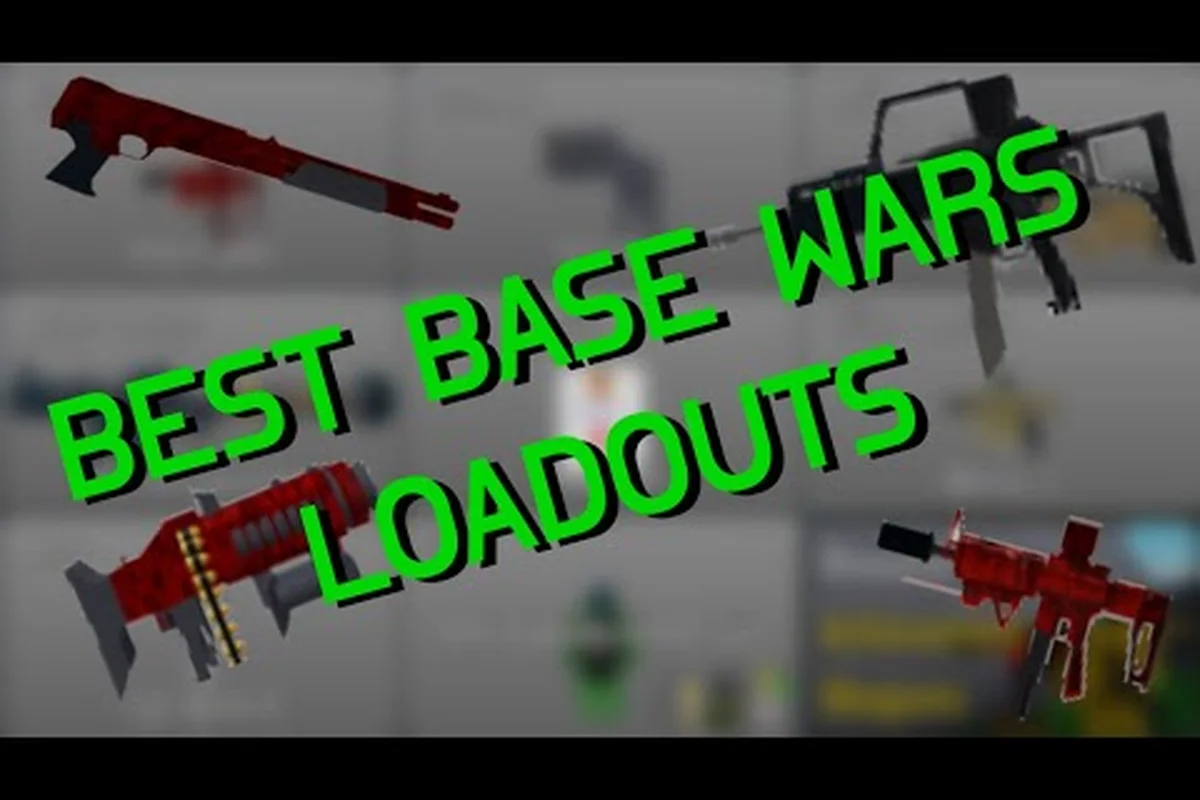
A winning Base Wars armor loadout is more than slapping the heaviest suit on and hoping to tank every fight. Real survivability comes from knowing which armor sets patch your specific weaknesses, which perks and weapons amplify the suit's strengths, and which slots to leave open for medkits or utility tools. This guide breaks down the defensive layer of Base Wars combat so you can build a loadout that actually wins engagements instead of just looking tanky on paper.
according to the Base Wars Ammo & VIP Guide on armor loadouts, selecting the right combination of armor pieces directly influences damage absorption and mobility during base raids.
Armor Suits Ranked: How the Defensive Tier List Actually Works
Armor in Base Wars falls into three loose families, each tuned around a specific combat identity. Heavy armor maximizes raw damage reduction, light armor trades bulk for mobility and double-jump access, and mid-tier suits sit between those extremes with hybrid perks. Understanding where each family wins and fails is the foundation of any defensive loadout.
The Base Wars armor suits overview catalogs every wearable set in the game, including the Uber Armor, Bunny Suit, and Assassin Armor, but the ranking below focuses on combat performance rather than cosmetic prestige. According to community data compiled by top players, the tier list shifts based on engagement range, team size, and whether explosives or vehicles are in play.
| Tier | Armor Family | Best Use Case | Main Weakness |
|---|---|---|---|
| S | Heavy Tank Sets | Holding chokepoints, absorbing rockets | Slow walk speed, easy to kite |
| A | Hybrid Mid-Tier | Balanced fights, mid-range brawls | Jack-of-all-trades, master of none |
| B | Light Mobility Suits | Flanking, sniper duels, hit-and-run | Lowest damage threshold |
| C | Situational / Event Suits | Specific game modes or challenges | Niche perks, poor general use |
Players running S-tier heavy sets win most straight-up 1v1 duels because the incoming damage reduction is steep enough to out-trade lighter opponents. The flip side, and a point several Base Wars content creators stress, is that heavy suits get kited into oblivion by anyone with a mobility suit and a rocket launcher. S-tier means dominant in a narrow window, not universally best.
Why Heavy Armor Has Hidden Weaknesses
The common misconception is that more armor equals more wins. In practice, heavy armor weaknesses include slower strafe speed, longer weapon-swap animations, and a louder footstep profile that makes ambushes trivial for light-suit users. A heavy player chasing a mobility suit across open ground loses the trade roughly 8 out of 10 times, according to player-reported match data.
The fix is not abandoning heavy armor. The fix is layering perks and weapons that punish kiting: throw a grenade to cut off escape routes, equip a shotgun that rewards close-range trades, and pick a secondary that can finish off a fleeing opponent before they reset. Heavy armor plus mobility-counter weapons is a real archetype, and it dominates close-quarters Base Wars lobbies.
Light Armor Strengths Most Players Underuse
Light armor is not just a weaker heavy suit. It grants access to double-jump, a higher base walk speed, and often a perk slot that boosts stamina regeneration or fall damage resistance. The right light loadout can win a 1v3 by constantly repositioning before enemies can focus fire, especially in vertical maps where the double-jump creates angles heavy suits physically cannot reach.
| Attribute | Heavy Suit | Light Suit |
|---|---|---|
| Damage Reduction | 60–75% | 15–30% |
| Walk Speed Modifier | -20% to -35% | +10% to +20% |
| Double-Jump | No | Yes (most sets) |
| Stamina Drain | Higher | Lower |
| Flank Potential | Low | High |
The trade-off is clear: light suits take nearly full damage from rockets and sniper shots, so positioning matters far more than raw HP. A skilled light-armor player uses cover, verticality, and the double-jump to avoid taking those shots in the first place.
Base Wars How to Get Armor: Unlock Methods and Progression Paths
Before ranking suits and slotting perks, you need to actually own the armor you want to run. Base Wars how to get armor depends heavily on whether you are free-to-play, a standard VIP, or holding one of the higher VIP tiers that unlock premium suits outright. The progression is grind-friendly but not random, and knowing the order of operations saves hours of wasted farming.
The fastest path to a competitive base wars armor loadout usually runs through one of three methods, each tuned to a different playstyle and budget tier. Free-to-play players typically grind match currency through daily challenges and base-defense contracts to buy base-tier suits, while standard VIP members gain access to mid-range armor variants that balance mobility and damage resistance. Players holding 8yo VIP or 14yo VIP status can unlock premium suits such as the Uber Armor and Assassin Armor outright, skipping the farming loop entirely — making the higher VIP tiers the fastest route if raw defense is the priority.
-
In-match cash purchases: most base-tier suits are available from the in-game armor shop for accumulated match currency
-
VIP unlocks: premium suits such as the Uber Armor and Assassin Armor require either 8yo VIP or 14yo VIP status
-
Event / seasonal rewards: limited-time suits drop during special events and are sometimes re-released months later
The Base Wars 8yo VIP perks guide details which suits each VIP tier unlocks automatically, including armor variants that free players cannot purchase directly. For free-to-play players, the grind is steeper but not impossible: focus on daily challenges and base-defense contracts, which pay out the most match currency per minute.
Armor Unlock Priority for New Players
If you are still building your first defensive kit, the priority order below covers the most cost-effective early purchases. A common rookie mistake is grinding for a single base wars heavy armor piece before the supporting loadout exists, leaving you with high HP but no mobility perks, no shield regen synergy, and wasted slots on low-tier light armor. The goal is to field a coherent base wars armor loadout where every piece (suit, perk, and weapon) reinforces the same defensive playstyle, not a single S-tier piece surrounded by garbage. Treat the early build as a system: a mid-tier hybrid suit paired with baseline repair perks outperforms a maxed heavy suit running empty slots in most base wars engagements.
| Priority | Armor Piece | Reason |
|---|---|---|
| 1 | Mid-Tier Hybrid Suit | Covers most engagement ranges immediately |
| 2 | Light Mobility Suit | Access to double-jump for repositioning |
| 3 | Heavy Tank Suit | Specialized close-range / chokepoint use |
| 4 | Premium Event Suit | Cosmetic plus minor stat bonus |
The mid-tier hybrid is the unsung hero of early progression because it does not force a playstyle commitment. New players experimenting with ranges, weapons, and perk combos get more value from a flexible base suit than from a specialized heavy that only works in one map layout.
Building the Strongest Defensive Loadout: Slots, Perks, and Synergies
A Base Wars defensive loadout is the combination of armor, weapons, and utility tools occupying your limited loadout slots. Most players have somewhere between four and six slots, with restrictions on how many of each type (primary, secondary, medkit, perk) you can bring into a single match. The art of loadout building is fitting the strongest possible combination inside those rules.
| Loadout Slot | Recommended Defensive Pick | Synergy With |
|---|---|---|
| Primary | Shotgun or SMG | Heavy armor close-range dominance |
| Secondary | Assault Rifle or Rocket | Mid-range cleanup, anti-vehicle |
| Armor | Heavy Tank or Hybrid | Set the role for the whole kit |
| Medkit | x2 Medkits | Survivability after winning a trade |
| Perk | Damage Reduction or Regen | Amplify armor's natural tankiness |
| Utility | Grenade or Flare | Cut off flanks, reveal campers |
The "BW Primary, BW Primary, BW Secondary" template popularized by community creators is one of three officially documented loadout formats in the game, and it pairs naturally with heavy armor because two primaries mean you can spec into close-range and mid-range simultaneously. A typical format breakdown looks like this:
-
BW Primary + BW Primary + Medkit + Medkit: maximum firepower, minimal utility
-
BW Primary + BW Primary + Normal Gun + Medkit: balanced mid-range presence
-
BW Launcher + Normal Gun + Normal Gun + Medkit: anti-vehicle focus for Base Wars modes with heavy vehicles
The launcher-focused format deserves a separate callout. Modes with tanks, jets, and other heavy vehicles shift the meta hard toward explosive damage, and a defensive loadout without a launcher will simply lose every vehicle encounter. Pairing the launcher with two normal guns gives you anti-vehicle potential plus clean-up power for the infantry that pile out of every destroyed tank.
Perk and Slot Synergies That Fix Armor Weaknesses
Perks are where mediocre loadouts become competitive ones. A heavy armor user running a damage reduction perk plus stamina regen becomes much harder to kite, while a light armor user running fall damage resistance and reload speed can sustain aggressive flanks without dying to chip damage. The right perk layer turns a B-tier suit into an A-tier experience.
| Armor Family | Recommended Perk 1 | Recommended Perk 2 |
|---|---|---|
| Heavy Tank | Damage Reduction | Explosive Resistance |
| Hybrid Mid-Tier | Reload Speed | Health Regen |
| Light Mobility | Fall Damage Resist | Stamina Regen |
| Premium / Event | Match-dependent | Match-dependent |
The heavy-armor combo of damage reduction plus explosive resistance is especially important because explosives are the single biggest counter to high-HP suits. Without the explosive perk, a single well-placed rocket can one-shot even the tankiest heavy set, and your entire defensive investment collapses in a single projectile.
Heavy Armor Weaknesses and How to Counter Them
Every defensive archetype has a hard counter, and heavy armor is no exception. The most reliable base wars heavy armor weaknesses are explosive damage, kiting at range, and being collapsed on by multiple flankers at once. The good news is that each weakness has a counter, and a well-built loadout plans for the counter before the engagement starts.
| Weakness | Counter Perk / Weapon | Why It Works |
|---|---|---|
| Rocket one-shots | Explosive Resistance perk | Caps incoming explosive damage |
| Kited by light suits | Shotgun primary | Punishes close-range chases |
| Slowed by stuns | Stamina Regen perk | Faster recovery from crowd control |
| Pinched by flanks | Flare or Motion Sensor | Reveals flanking routes |
The flare utility slot is criminally underrated in heavy loadouts. Drop one before pushing a contested zone and you immediately see flanking players trying to slip past your tanky frontline. Combined with the higher HP pool, a heavy user with flare control becomes the anchor that holds a push together rather than the slow target the enemy team deletes for free.
Light armor users have their own counter toolkit, and it centers on winning before the enemy can react. The double-jump lets you peek over cover, fire a rocket, and drop back before the heavy user can close the distance. The trade is high risk for high reward, and a single missed shot usually means death because your HP pool cannot sustain a second exchange.
When to Switch Loadouts Mid-Match
Static loadouts lose to adaptive players. If the enemy team is running three heavy suits and contesting every chokepoint with rocket spam, switch to a light armor loadout with double-jump and clean them up from angles they cannot cover. The Base Wars equipment slots guide documents which loadout slots can be edited between rounds, and most players do not take full advantage of this flexibility.
Before respawning, pause the buy screen and run through a five-second loadout audit: check the current armor class against the dominant enemy comp, confirm your primary weapon matches the engagement range, and verify at least one counter measure (explosive res, shotgun, or launcher) is slotted to punish whatever just killed you the previous life.
-
If you are dying to rockets more than bullets, slot explosive resistance
-
If you cannot close the gap on light suits, swap primary to shotgun
-
If vehicles are winning the match for the enemy team, slot a launcher
-
If you are running out of sustain, drop a perk for an extra medkit
That last point is underrated. Many players stack perks and forget that medkits are the single most reliable form of healing in the game, especially in extended base-defense rounds where regen ticks are too slow to outpace incoming damage.
Armor Sets Ranked: The Best Suits for Each Playstyle
While tier lists are useful, the real question is which armor fits your playstyle. A S-tier heavy suit in the hands of a player who constantly flanks is worse than a B-tier light suit in the hands of someone who knows how to use double-jump angles. The Base Wars armor suits ranked list below is sorted by archetype rather than raw power, so you can match the suit to the role you actually want to play.
| Playstyle | Best Armor Match | Key Perk Synergy |
|---|---|---|
| Frontline Anchor | Heavy Tank Set | Damage Reduction + Medkit stacking |
| Roaming Flanker | Light Mobility Suit | Stamina Regen + Reload Speed |
| Sniper / Picker | Hybrid Mid-Tier | Headshot Damage + Range Boost |
| Anti-Vehicle | Any Heavy with Explosive Resist | Rocket Damage + Vehicle Tracker |
| Base Defender | Heavy Tank + Flare Utility | Reveal + AoE Resistance |
The sniper / picker role is a sleeper pick in Base Wars because hybrid mid-tier suits often carry a small headshot bonus or range extension that pure heavy or light suits lack. A skilled sniper in a mid-tier suit can hold down long sightlines that the enemy team cannot safely push without taking at least one free kill.
The base defender role is where heavy armor truly shines. Holding a fortified position with stacked medkits, reveal utility, and high HP means the defender wins every attrition fight. The enemy has to commit multiple players to break a properly equipped defender, which frees the rest of your team to rotate and flank.
Synergy Checklist Before You Queue
Before locking in a loadout for a competitive match, run through this quick synergy check. It catches the most common mistakes players make when assembling defensive kits, especially the silent ones: a Medium suit with close-range perks, a Light suit with no mobility tools to escape rockets, or Heavy armor paired with utility that does not include explosive resistance. A 30-second audit of your armor family's stated range, your perk slots, and your utility against the enemy comp saves you from rebuilding mid-match.
-
Confirm your armor family matches your primary weapon's optimal range
-
Confirm your perks address at least one weakness of that armor family
-
Confirm you have a counter to the enemy team's likely composition
-
Confirm your utility slot is not empty if you are running heavy armor
-
Confirm you can survive at least one rocket hit even at full HP
That last check is the deal-breaker for most failed loadouts. If a single rocket deletes you, your armor investment is wasted because every competent enemy team will spam explosives against a tanky target. Slotting explosive resistance, or simply running a light suit that dodges the rocket entirely, is the difference between a defensive anchor and a feeding free kill.
Frequently Asked Questions
What is the best Base Wars armor loadout for solo queue?
For solo queue, a hybrid mid-tier suit with double-jump access, a shotgun primary, an assault rifle secondary, two medkits, and a damage-reduction perk is the most well-rounded setup. It handles 1v1s, can contest objectives, and survives long enough for your random teammates to rotate in. Heavy-only loadouts suffer in solo queue because nobody peels for you when you get kited.
How do I counter heavy armor users as a light suit player?
The best counter is to never let the heavy user close the distance. Stay at mid to long range, use double-jump to break line of sight, and force them to chase you into your team's firing line. Explosives are also devastating against heavy suits, so a single rocket before disengaging usually forces a medkit pop and resets the engagement in your favor.
Are premium VIP armor suits worth the cost?
Premium suits like the Uber Armor and Assassin Armor are worth it for players who log dozens of matches per week, but new players should grind free suits first to learn the slot system and perk interactions. The Base Wars VIP perks breakdown lists every premium armor alongside the VIP tier required to unlock it, which makes the cost-benefit decision much easier before spending Robux.
Can I run two armor perks in the same loadout?
Most loadout formats only allow one perk slot, so stacking two armor-specific perks is rarely possible outside of special event modes. The workaround is to pick a perk that complements your armor's natural strengths: damage reduction on heavy suits, stamina regen on light suits, and reload speed on hybrid mid-tiers. One well-chosen perk outperforms two mediocre ones every time.
What is the best defensive loadout against vehicles?
Against vehicle-heavy lineups, run a heavy suit with explosive resistance, a launcher primary, a normal gun secondary, and a medkit. The launcher is mandatory because you cannot damage tanks or jets with small arms reliably, and explosive resistance keeps you alive if the vehicle driver targets you directly. The Base Wars ship combat and vehicle guide covers specific loadouts for modes where vehicles dominate the objective.
A strong Base Wars armor loadout is built around the fights you actually take, not the fights you wish you could take. Pick the armor family that matches your engagement range, layer perks that cover the family's worst matchups, and slot weapons that exploit the enemy team's predicted composition. Defensive play wins Base Wars when it is proactive, not when it is a static tank button held down by a player hoping to out-HP every exchange.